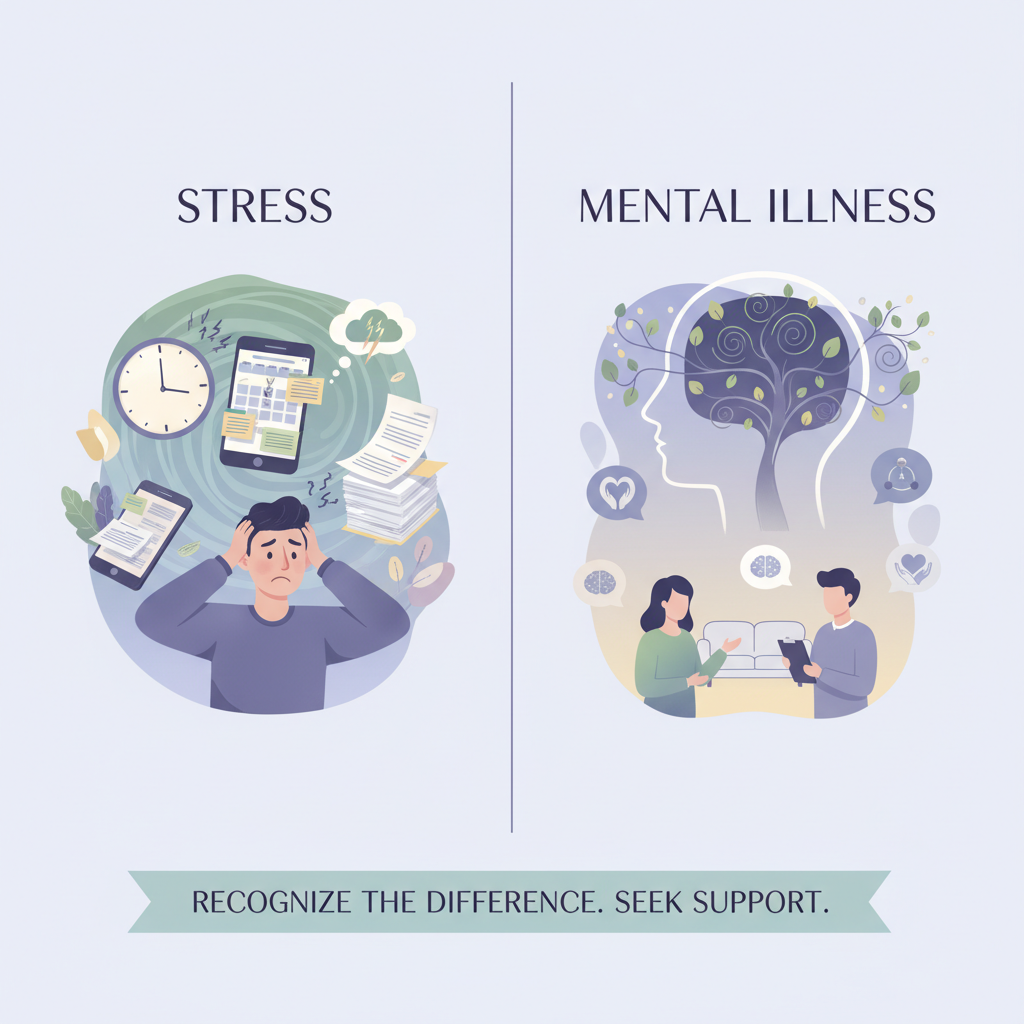


Understand psychoeducational therapy
If you are exploring options for residential mental health treatment, you may have come across the term “psychoeducational therapy.†At its core, psychoeducation involves learning about mental health conditions, how they develop, and the various ways to manage them. Unlike purely clinical or medical approaches, psychoeducational therapy empowers you to become an active participant in your healing. By combining structured lessons, collaborative discussions, and evidence-based techniques, this method helps you gain insight into your diagnoses, learn stress-management strategies, and develop the resilience you need for lasting recovery.
The history of psychoeducational therapy underscores its effectiveness. Physicians began using psychoeducation in the early 1900s to help individuals with mental health conditions better understand their symptoms and how to adhere to treatment recommendations [1]. Originally introduced by C. M. Anderson in patients diagnosed with schizophrenia, psychoeducation soon expanded to broader mental health realms. With further development, researchers discovered its significant impact on reducing relapse rates, improving adherence to treatment plans, and fostering collaboration among clients, families, and care providers.
When incorporated into a residential mental health program, psychoeducational therapy allows you to explore your experiences and questions in greater depth. You are not merely treated as a recipient of care—rather, you are a partner in your own wellness journey. Instead of passively accepting treatment directives, you gain an understanding of the underlying reasons for each intervention. This knowledge can boost your motivation to stick to recommended therapies, whether you are coping with anxiety, depression, bipolar disorder, or another condition. Moreover, psychoeducational therapy helps you identify any obstacles, triggers, or lifestyle factors that may hinder progress, so you feel more in control of your path forward.
Beyond the immediate health benefits, psychoeducation sets the stage for ongoing growth. As you learn about the science behind mental wellness, you also discover practical strategies for regulating emotions, addressing negative thoughts, and building healthier habits. By doing so, you create a foundation for resilience that extends beyond the structured setting of a residential program. This holistic approach matches well with the values at Cottages on Mountain Creek, where we believe that offering a supportive environment along with comprehensive care paves the way to lasting transformation.
Explore why psychoeducational therapy helps
You may be wondering why psychoeducational therapy offers such powerful support compared to other interventions. A significant part of the answer lies in its collaborative, educational design. Knowledge is power, and when you understand the full spectrum of a mental health diagnosis—from biological underpinnings to effective coping mechanisms—you develop the confidence to take on the journey of wellness. Research shows that psychoeducation is effective in reducing relapse for numerous conditions, including schizophrenia, bipolar disorder, substance abuse, and anxiety disorders [2].
Here are some reasons why psychoeducational therapy works so well:
- Deeper Understanding: By learning the “why†behind your symptoms, you can better grasp what triggers them and how to prevent negative patterns from resurfacing. This awareness may reduce feelings of confusion or helplessness, replacing them with clarity.
- Stronger Adherence: When people grasp the rationale behind a given treatment—be it medication, therapy sessions, or lifestyle modifications—they are generally more likely to follow through. Psychoeducation highlights how each component can contribute to overall progress.
- Family and Peer Involvement: In many cases, psychoeducational therapy involves loved ones. Bringing family members or friends into the conversation creates a more stable support system. This unity reinforces your healthy habits and encourages open dialogue during the healing process.
- Empowerment and Confidence: Knowledge about your condition, coupled with targeted skill development, fosters an empowering sense of self-efficacy. You recognize that you are not defined by your condition; instead, you are equipped to manage it effectively.
- Holistic Approach: Psychoeducational therapy is often used alongside other modalities, such as dialectical behavior therapy dbt program, psychotherapy residential, or group therapy mental health. This comprehensive approach ensures that you receive multifaceted support.
Because psychoeducational therapy acknowledges the complexity of mental health issues, it is a perfect fit for many individuals seeking residential care at Cottages on Mountain Creek. While some people might prefer focusing on more direct approaches like medication or one-on-one therapy, integrating psychoeducation can provide the missing link for long-term success. It helps bridge the gap between receiving expert guidance and internalizing that guidance in your day-to-day life.
Recognize the core components of psychoeducational therapy
Psychoeducational therapy is not a one-size-fits-all approach. Rather, it is a broad framework that mental health professionals adapt to the unique challenges you face. Typically, you will encounter a few central features when participating in psychoeducation:
- Clear Information
Straightforward education about your diagnosis sets the stage. Therapists share essential information about how certain conditions develop, common symptoms, possible treatments, and realistic expectations for the future. This clarity helps you demystify your experiences. - Collaborative Discussions
Psychoeducational therapy encourages open dialogue between you, your therapist, and sometimes family members or peers. If you feel uncertain, confused, or overwhelmed, open conversations create an environment where those feelings can be openly expressed and explored. In turn, your providers can craft support strategies that best suit your needs. - Skill-Building Exercises
Unlike purely clinical sessions, psychoeducational therapy includes hands-on components. You might learn practical steps to cope with anxiety episodes, identify triggers that exacerbate depression, or practice relaxation exercises to calm racing thoughts. One example is incorporating mindfulness techniques, which you can explore through our mindfulness therapy mental health offering. - Self-Monitoring Techniques
Encouraging self-awareness is a hallmark of psychoeducation. This may include keeping a daily journal to spot patterns in mood swings, rating anxiety levels on a scale, or noting lifestyle factors such as diet, physical activity, or sleep. As you track these areas, you gain insight into what promotes improved mental well-being. - Relapse Prevention Strategies
Many psychoeducational programs focus on relapse prevention. By learning the early warning signs and having a set of practical tools, you are more prepared to handle setbacks constructively. This can be especially valuable if you have a history of struggling to maintain stability during life transitions.
A strong benefit of this therapy is flexibility. It is designed to evolve along with your progress. If you discover that stress management is your biggest hurdle, a therapist might add more sessions or activities addressing relaxation techniques. If you need support around integrating new skills into your workplace or family setting, psychoeducation adapts accordingly.
Embrace a holistic approach at Cottages on Mountain Creek
At Cottages on Mountain Creek, we believe that knowledge, compassion, and practical tools are indispensable for true, sustainable change. Instead of using a single therapy model in isolation, we offer a multifaceted, supportive environment that draws on psychoeducational therapy and complementary interventions.
- Holistic Integration
We understand that mental health recovery involves more than just addressing symptoms. It requires comprehensive care, from emotional support to physical wellness. Our programs include options such as music therapy residential, art therapy mental health, and holistic health wellness program. By pairing psychoeducation with these creative and integrative modalities, you can discover new ways to express yourself, reduce stress, and bolster resilience. - Tailored Treatment Programs
Everyone is unique. Whether you are dealing with anxiety, depression, bipolar disorder, or substance misuse, we offer individualized plans that consider your background, personal goals, and challenges. Psychoeducational therapy fits seamlessly into this personalized approach by shedding light on the root causes of your struggles. You gain the self-awareness necessary to make informed decisions about your care. - Compassionate Community
Recovery can be challenging, especially when you feel isolated or misunderstood. At Cottages on Mountain Creek, you join a community of peers who share the journey toward improved mental health. Psychoeducational therapy in a group setting fosters empathy and understanding, reducing stigma and creating a network of solidarity. This environment can boost your motivation to stick to your treatment. - Qualified Professionals
Our mental health practitioners possess extensive experience in evidence-based methods. They combine thoughtful listening with professional expertise to guide you toward the most effective strategies. Whether you engage in individual therapy mental health or group psychoeducational sessions, you will receive consistent, well-rounded support aimed at meeting your needs in the present, as well as preparing you for the future.
By embracing a holistic approach that includes psychoeducational therapy, Cottages on Mountain Creek prioritizes long-term wellness over quick fixes. While immediate symptom relief is crucial, we believe that understanding the broader context of your mental health is equally essential. This deep knowledge equips you to maintain the gains you achieve once you leave our facility.
Learn how psychoeducational therapy supports long-term recovery
When you invest time and energy in your well-being, you want an approach that safeguards you not only today but for the months and years ahead. Psychoeducational therapy is particularly advantageous in fostering long-term recovery, based on findings from several systematic reviews on the subject [3].
Below are key ways psychoeducational therapy can help you achieve durable improvements:
- Decreased Relapse Rates
Studies reveal that psychoeducation can help reduce hospitalizations and relapse in conditions like schizophrenia and bipolar disorder [2]. By better understanding warning signs and protective factors, you are likely to seek early intervention if new symptoms emerge. - Lifestyle Changes
Psychoeducation puts a spotlight on how diet, sleep, exercise, and other lifestyle elements influence mental health. Throughout your program, you might learn new routines such as regular walks, mindful eating, or structured relaxation breaks. You become more mindful of these factors, weaving them into your life so you can shape a healthier future. - Strong Coping Mechanisms
Gaining knowledge is just the beginning. Psychoeducational therapy urges you to take tangible steps toward building coping skills. If you are vulnerable to anxiety, for instance, you practice breathing techniques, grounding exercises, or guided relaxation. For mood fluctuations, you might compile a toolbox of strategies like journaling or guided visualization. - Therapeutic Alliance
Researchers have found that good rapport with mental health professionals is strongly correlated with better outcomes in therapy [1]. Psychoeducational therapy fosters a collaborative bond by framing you and your provider as partners in problem-solving. You feel heard, validated, and encouraged, which leads to a more enduring commitment to your care plan. - Pathway to Advocacy
Once you understand your condition more thoroughly, you can advocate for yourself with greater confidence—whether that is requesting specific accommodations at work, explaining your needs to family members, or adjusting personal responsibilities to maintain balanced mental health.
Crucially, your learning does not end once your scheduled therapy sessions or workshops are over. Instead, each psychoeducational session becomes an opportunity for you to gather tools that remain valuable down the road. Because mental health recovery often involves some trial and error, the knowledge and skills you gain through psychoeducation help you adapt to challenges with renewed confidence.
Tailor your treatment plan with us
Every person’s recovery from mental health challenges is distinct. That is why Cottages on Mountain Creek supports a range of therapies, including psychoeducational therapy, so that you or your loved one can craft the perfect blend of interventions.
- Combine with Other Therapies
We frequently integrate psychoeducation with dialectical behavior therapy dbt program, emdr trauma therapy residential, or even creative avenues like horticulture therapy residential. Each therapeutic angle addresses different aspects of mental health, ensuring that your entire spectrum of needs receives attention. - Focus on Personal Goals
Do you hope to return to work, mend a strained relationship, or learn how to navigate social events without anxiety? Our staff encourages you to develop a clear vision for your future. Psychoeducational therapy complements these goals by helping you track progress and refine your techniques as you grow. - Benefit from Structured Wellness Programming
At Cottages on Mountain Creek, you also have access to structured wellness programming that includes nutrition, physical activity, and stress management. Understanding how these factors affect your mental health is part of the psychoeducation process, creating a full-bodied approach to healing. - Receive Ongoing Support
After completing a residential program, many individuals choose to stay engaged with outpatient services, community groups, or periodic check-ins with their counselors. Psychoeducational therapy gives you a robust foundation for continuing your progress. If you ever need additional guidance, you will know precisely where to find it and how to apply the strategies you have already learned. - Enjoy a Supportive Environment
Perhaps you find it difficult to make sense of a recent diagnosis, or you feel anonymous in typical hospital settings. At Cottages on Mountain Creek, we prioritize individualized attention. We want you to feel recognized, supported, and hopeful as you work toward your personal milestones. Psychoeducational therapy is woven into this supportive environment, illuminating your path to restoration.
No matter how complex your situation feels right now, combining psychoeducational therapy with other forms of care can help you transform challenges into stepping stones. Finding the right approach is crucial, and we are here to guide you every step of the way, ensuring your treatment plan reflects who you are as an individual.
Frequently asked questions
Below are some of the most common questions we receive about psychoeducational therapy and how it fits into mental health treatment at Cottages on Mountain Creek.
- What is psychoeducational therapy exactly?
Psychoeducational therapy is an approach that focuses on educating you about mental health conditions, equipping you with knowledge and practical tools to cope effectively. This method fosters collaboration between you and your treatment team, ensuring you fully understand your diagnosis, treatment options, and self-management techniques. Rather than relying on medical interventions alone, psychoeducational therapy provides the support necessary for lasting recovery by emphasizing understanding and active participation. - How long does psychoeducational therapy last?
The length can vary based on individual needs and the complexity of your condition. Some people benefit from short-term psychoeducation modules spanning a few weeks, while others incorporate ongoing psychoeducational sessions into a longer residential stay. At Cottages on Mountain Creek, the duration is tailored to you. Your progress is continuously monitored to ensure you receive the right amount of education and support. - Is psychoeducational therapy only for serious mental health conditions?
Not at all. Psychoeducational therapy benefits individuals facing a wide range of mental health concerns—from stress, anxiety, and mild depression, to more severe conditions like schizophrenia or bipolar disorder. Because this approach is adaptable, it can be scaled to fit the level of support you need. It is also useful for loved ones hoping to better understand a family member’s situation. - Does psychoeducational therapy involve my family or friends?
It often does, especially if your support system is open to participating. Psychoeducational therapy invites family members or close friends to learn about your diagnosis, discuss effective strategies, and help create a supportive home environment. Having a well-informed family can help you feel less isolated and more confident as you work on your goals. - How can I begin psychoeducational therapy at Cottages on Mountain Creek?
The easiest way to start is by contacting us directly. Once you reach out, our clinical team will ask about your mental health concerns, medical history, and personal goals. We design a custom plan for your residential stay, ensuring you can weave psychoeducational therapy in alongside any other treatments that may be beneficial—like individual therapy mental health, group therapy mental health, or relapse prevention skills training.
Find hope and healing
Psychoeducational therapy is fundamentally about empowerment. It gives you the keys to understand, anticipate, and navigate your mental health challenges. At Cottages on Mountain Creek, we blend this powerful educational approach with a network of supportive professionals who want nothing more than to see you thrive. Our commitment to creating an atmosphere that values respect, understanding, and growth means you can finally break free from the barriers that have held you back.
To begin your journey, consider how psychoeducational therapy fits into your story. Perhaps you have struggled with an anxiety disorder for many years and are ready for a deeper understanding of why it persists. Or maybe you have gone through multiple treatments without finding a lasting solution—psychoeducation can offer fresh perspectives that spark lasting transformation. With a robust focus on knowledge and skill-building, you can cultivate the resilience you need to cope with life’s challenges, both within our facility and beyond.
Whatever the specifics of your condition, your motivation to seek help is the first crucial step. At Cottages on Mountain Creek, we welcome you into a nurturing community where psychoeducation plays a central role in your growth. Here, you do not just find short-term relief, but the foundation for meaningful, long-term recovery. Instead of feeling stuck in a cycle of uncertainty, you can gain the confidence and practical know-how that emboldens you to reclaim your life.
If you or a loved one has been searching for a place that delivers industry-leading residential mental health services, we hope that Cottages on Mountain Creek stands out as a beacon of hope. We encourage you to explore our offerings, learn more about psychoeducational therapy, and take that next step toward holistic well-being. You are not alone. We are here to guide you, educate you, and empower you—every day, in every session, and with every piece of knowledge you gain. Let us work together to create the future you deserve.