
Discover art therapy
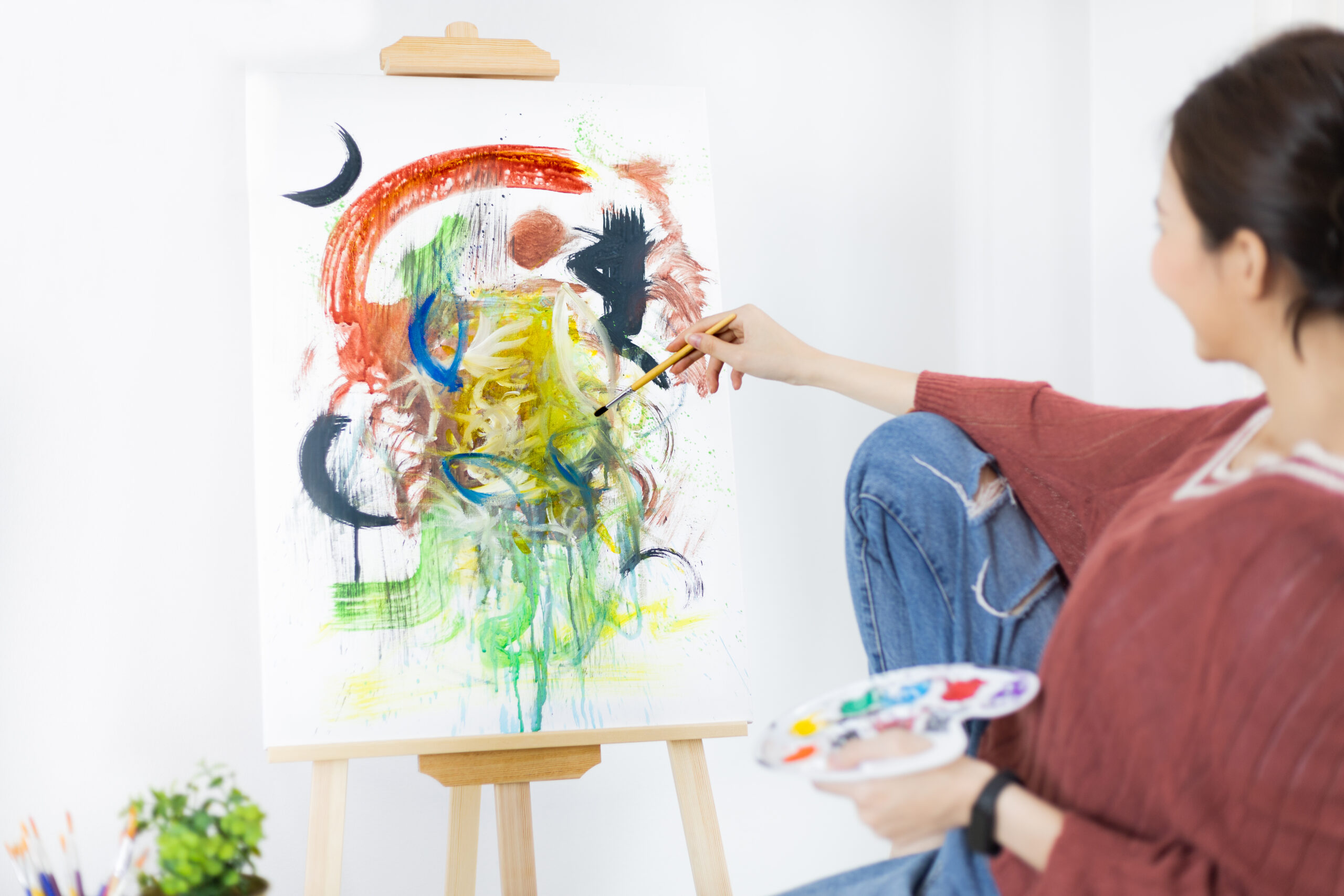
Art therapy mental health approaches have gained significant attention for their ability to promote self-expression, enhance emotional awareness, and support overall well-being. When you engage in art therapy, you tap into a creative process that can help you manage the unique challenges you face in daily life. Through painting, drawing, molding clay, collage, photography, or other creative activities, you learn to express difficult emotions in a safe and supportive environment. The result often leads to a healthier mindset, new insights, and deeper self-understanding.
Art therapists are trained mental health professionals who guide you through these creative processes, helping you explore your emotions and develop practical coping techniques. At Cottages on Mountain Creek, you or a loved one can receive individualized care in a nurturing residential setting that emphasizes your personal journey toward healthier living. By focusing on art therapy within a comprehensive treatment plan, you have the chance to discover new ways of processing emotions and find the support necessary for lasting recovery.
Understanding the basics
Art therapy is grounded in the idea that tapping into your creativity can facilitate emotional growth and healing. As outlined by the American Psychiatric Association, many forms of psychotherapy are proven to help reduce symptoms of various mental disorders, and art-based techniques are often used alongside other approaches to create a well-rounded plan. While art classes generally focus on developing artistic skills, art therapy shifts the emphasis to how the process of creation helps you explore your feelings and improve your emotional well-being.
Research indicates that engaging in art-making activities can reduce stress and anxiety in less than an hour, even if you do not consider yourself “artistic†[1]. The ability to translate your inner thoughts into visual representation helps you better understand how you feel. Psychotherapy, including talk therapy, can be a powerful complement to creative work. You might incorporate psychotherapy residential sessions to enrich your mental health treatment plan and ensure you receive the full benefit of a supportive environment.
Historical perspective
Art therapy as a formal discipline began evolving in the early 20th century, becoming more widely recognized in the 1940s when doctors observed how individuals with mental illness expressed themselves through creative works. Adrian Hill, a British artist, coined the term “art therapy†in 1942 and demonstrated how artistic pursuits could help people recovering from illnesses regain a sense of self. Over the decades, art therapy gained significant traction across the globe, establishing itself as a respected form of psychotherapeutic intervention for mental health needs.
One reason art therapy continues to endure is its adaptability. Therapists can tailor sessions to fit the specific needs of each individual, which aligns with our emphasis at Cottages on Mountain Creek on providing tailored treatment programs that address the unique challenges of each guest. Art therapy can be woven into clinical settings, schools, community organizations, and of course, residential mental health treatment centers like ours, reflecting its versatility for a wide range of concerns.
Recognize mental health benefits
Art therapy can address an array of mental health conditions, including depression, anxiety, trauma, and more. According to a 2016 study in the Journal of the American Art Therapy Association [1], even a short session of art-making can lower stress levels and positively impact mood. Below are some of the benefits you might experience when engaging in regular art therapy sessions:
Expression and emotional release
By transforming intangible emotions into tangible creations, you’re able to better identify, process, and cope with them. For many people, finding the right words to describe deep feelings can be challenging. Painting or sculpting may allow you to externalize these emotions in ways that traditional talk therapy alone might not. This cathartic process fosters relief from internal stress, clears the mind, and provides a path to healthier coping.
The National Institute of Mental Health (NIMH) points out that psychotherapy often aims to help individuals identify and change troubling emotions and behaviors. Art therapy can serve as a pathway to uncovering those troubling emotions, which you can then further address through individual therapy mental health or group therapy mental health.
Self-awareness and empowerment
Art therapy offers a mirror into your internal world. When you creatively depict thoughts or memories, you may discover patterns or triggers you didn’t realize you had. This heightened self-awareness paves the way for personal growth, allowing you to recognize specific areas of your life that need change. By consistently exploring your artwork with your therapist, you usher in an empowering sense of clarity and control over your emotional health.
Research suggests that art therapy can offer a sense of achievement and improve self-esteem [2]. Through the process of creating and sharing visual expressions, you can validate your experiences, release shame, and gain renewed confidence in your ability to handle daily pressures. This sense of empowerment extends to building healthier relationships, too. By understanding your emotional triggers, you can communicate your needs more effectively to loved ones and peers.
Evidence-based effectiveness
Multiple studies have explored the therapeutic impact of art therapy across different mental health concerns, including traumatic experiences, depression, and anxiety. In a systematic review and meta-analysis with more than 2,700 participants, active visual art therapy showed improvements in mental health symptoms, psychological well-being, and social functioning [3]. These findings highlight a growing body of evidence supporting art therapy’s role in comprehensive care.
Moreover, art therapy aligns well with other proven effective treatments, such as eye movement desensitization and reprocessing [4] or cognitive behavioral therapy php iop. By combining art therapy with these evidence-based modalities, you benefit from a multidimensional approach to emotional and mental healing. This integration often leads to a more thorough resolution of underlying issues and fosters lasting recovery.
Experience our supportive environment
At Cottages on Mountain Creek, we understand the complexity of mental health challenges. Our goal is to create a supportive environment that addresses your unique needs and guides you toward stability and growth. Incorporating art therapy into your day-to-day routine at our residential facility helps you embrace the many avenues of healing available. You can explore your feelings through painting, drawing, or sculpture in a relaxed atmosphere enhanced by the camaraderie and encouragement of both peers and staff.
We believe each individual’s journey is distinctive, and our art therapy programs reflect that philosophy. Our licensed professionals tailor treatment programs that honor your personal circumstances, focusing on areas such as anxiety, depression, trauma histories, or other co-occurring conditions. By providing comprehensive care, including dialectical behavior therapy dbt program and radically open dbt residential, you receive the support necessary for lasting recovery.
Cultivating creativity and connection
Art therapy does more than help you manage symptoms; it creates an opportunity to connect, both internally and with others. Expressing your experiences in a communal studio setting fosters conversations that deepen emotional bonds. You may discover shared values or experiences with peers who are also working on art therapy projects. Those connections introduce a powerful sense of understanding, acceptance, and mutual respect.
Art therapy can also be combined with music therapy residential or horticulture therapy residential to expand your creative toolkit further. Engaging in multiple forms of expressive therapy broadens your capacity to find relief from stress, handle adversity, and strengthen emotional well-being. Throughout the process, staff members encourage and guide you, ensuring that you feel validated in your experiences and inspired to continue forging your path to better mental health.
Integrate art therapy with other treatments
Because mental health struggles often stem from numerous factors, a multifaceted approach frequently offers the best outcomes. At Cottages on Mountain Creek, you can integrate art therapy sessions with a variety of other interventions. For example, if you’re participating in mindfulness therapy mental health, you can combine meditative breathing techniques with painting to channel your focus more effectively. Or, if you’re enrolled in physical fitness program treatment, you might use creative outlets to explore any challenges that arise during your fitness journey.
Examples of complementary therapies
Bringing together several therapeutic modalities ensures that your treatment plan nurtures all parts of your well-being. Below are a few examples of therapies that can harmonize with art therapy:
- Music therapy residential
- Music nurtures self-expression, joy, and relaxation. By engaging in singing, listening, or instrumentation, you can amplify the benefits gleaned from art therapy.
- Psychotherapy residential
- Talk therapy supports emotional healing through open communication with a trained therapist, helping you process the themes and imagery revealed in your artwork.
- If you wish, family members can learn about your art therapy experiences, improving the overall household dynamic and reinforcing mutual understanding.
- Physical movement paired with mindful breathing complements art therapy by calming your mind, enhancing focus, and reducing anxiety.
- A balanced diet and hands-on cooking lessons can boost your physical and mental energy, supporting your creative endeavors in art therapy.
Incorporating a blend of modalities into your daily routine at Cottages on Mountain Creek gives you a holistic approach to self-care. Each therapy offers unique ways to manage stress, build resilience, and discover the tools you need to adapt to life’s demands. With continuous guidance and a structured environment, you remain supported every step of the way.
Art therapy forms table
To give you a clearer picture of how art therapy can be customized, here is a table outlining a few common forms of art therapy and their practical uses:
| Art Form | Description | Potential Benefits |
|---|---|---|
| Painting | Using brushes, watercolors, acrylics, or oils | Fosters self-expression, stress relief, and focus |
| Drawing | Sketching with pencils, charcoal, pastels | Enhances mindfulness, emotional release |
| Collage | Combining images, fabrics, and textures | Encourages creativity, processes complex feelings |
| Photography | Capturing images with a camera or smartphone | Promotes self-reflection and introspection |
| Clay sculpting | Shaping clay into tangible forms | Offers tactile relaxation, builds sense of control |
| Mandala art | Drawing or coloring symbolic circular designs | Reduces negative emotions, boosts calmness |
Each of these forms can be adapted to your interests, ensuring your therapy experience is both engaging and effective. As documented by Rocky Mountain College of Art + Design, even the simple act of doodling patterns or coloring within lines can spark positive changes in your mental health.
Embrace unique advantages of Cottages on Mountain Creek
Choosing a residential program for mental health isn’t always an easy decision, but knowing the advantages of a supportive environment can help guide you. At Cottages on Mountain Creek, we believe that each person deserves comprehensive care that nurtures both body and mind. Our art therapy program is designed to integrate seamlessly with other evidence-based techniques, creating individualized plans aimed at sustainable improvement.
-
Individualized plans
Your chances of recovery improve when you receive care specifically tailored to your situation. Our approach involves assessing your background, identifying your challenges, and devising a personalized art therapy roadmap for success. -
Professional, empathetic staff
Our licensed clinicians, art therapists, and wellness professionals bring extensive experience to guide you in your healing journey. You can trust that you’re working with professionals who understand the seriousness of addiction or mental health disorders and remain committed to offering genuine emotional support. -
Comprehensive care
In addition to offering art therapy, we provide a range of options like aromatherapy mental health care, physical therapy residential, and intramuscular massage therapy to help address both emotional and physical aspects of your well-being. -
Trusted environment
Feeling safe is essential for healing. Cottages on Mountain Creek offers a serene setting where you can focus on self-discovery without worrying about everyday triggers, stressors, or distractions. -
Long-term development
We encourage you to apply the insights and skills learned in your art therapy sessions to daily life. This emphasis on practical outcomes helps facilitate a transition from residential treatment to real-world application, supporting your long-term mental health.
Throughout your stay, we will also help arrange discharge planning support, ensuring a smooth path back to everyday routines. Our mission is to ensure that your time here equips you with the tools, confidence, and mental clarity needed to thrive in life beyond our program.
Frequently asked questions
-
What is art therapy mental health, and how does it work?
Art therapy mental health refers to the structured use of creative methods—like painting, drawing, or sculpting—to help you manage emotional or psychological challenges. A licensed art therapist guides you through these activities so you can process difficult feelings, gain insight, and develop healthier coping mechanisms. -
How do I know if art therapy is right for me?
If you find it difficult to express complex emotions in words, or you’re looking for a more holistic option that complements traditional talk therapy, art therapy may be a strong fit. You don’t have to be an artist. An openness to explore and engage in the creative process is enough to get started. -
Can I combine art therapy with medication?
Yes. In fact, research shows that art therapy alongside medication can often yield better results than medication alone [5]. It is crucial to consult your mental health providers about combining these treatments to tailor a plan that best addresses your needs. -
Are there any risks or drawbacks to art therapy?
Most individuals experience therapeutic benefits, but sometimes creating art can stir up intense emotions. Having a trained therapist on hand helps ensure you feel supported and can address any discomfort in a guided, constructive way. The benefits—like increased self-awareness, reduced stress, and improved coping—commonly outweigh any temporary drawbacks. -
How is art therapy different from an art class?
An art class focuses on honing artistic skills and producing aesthetically pleasing work. In art therapy, the focus is on self-expression, emotional healing, and personal growth. Guidance is provided not to improve your technique but to help you explore your inner world, identify thought patterns, and find ways to cope more effectively.
By choosing Cottages on Mountain Creek for your residential treatment needs, you gain access to a nurturing environment that champions research-backed interventions like art therapy. Our emphasis on empathy and respect ensures you’ll never feel alone in your journey to heal. Alongside an array of complementary therapies, your art therapy sessions turn into an avenue for self-exploration, stress reduction, and renewed strength. We believe everyone holds the potential for meaningful change, and by combining creativity with steadfast clinical guidance, you can experience transformative growth, one brushstroke at a time.
If you’re ready to take the next step, our dedicated team is here to help you chart a personalized path toward balance, resilience, and hope. Let art therapy serve as your vehicle for liberation from emotional barriers, and let Cottages on Mountain Creek be your supportive partner in building a brighter, healthier future.


