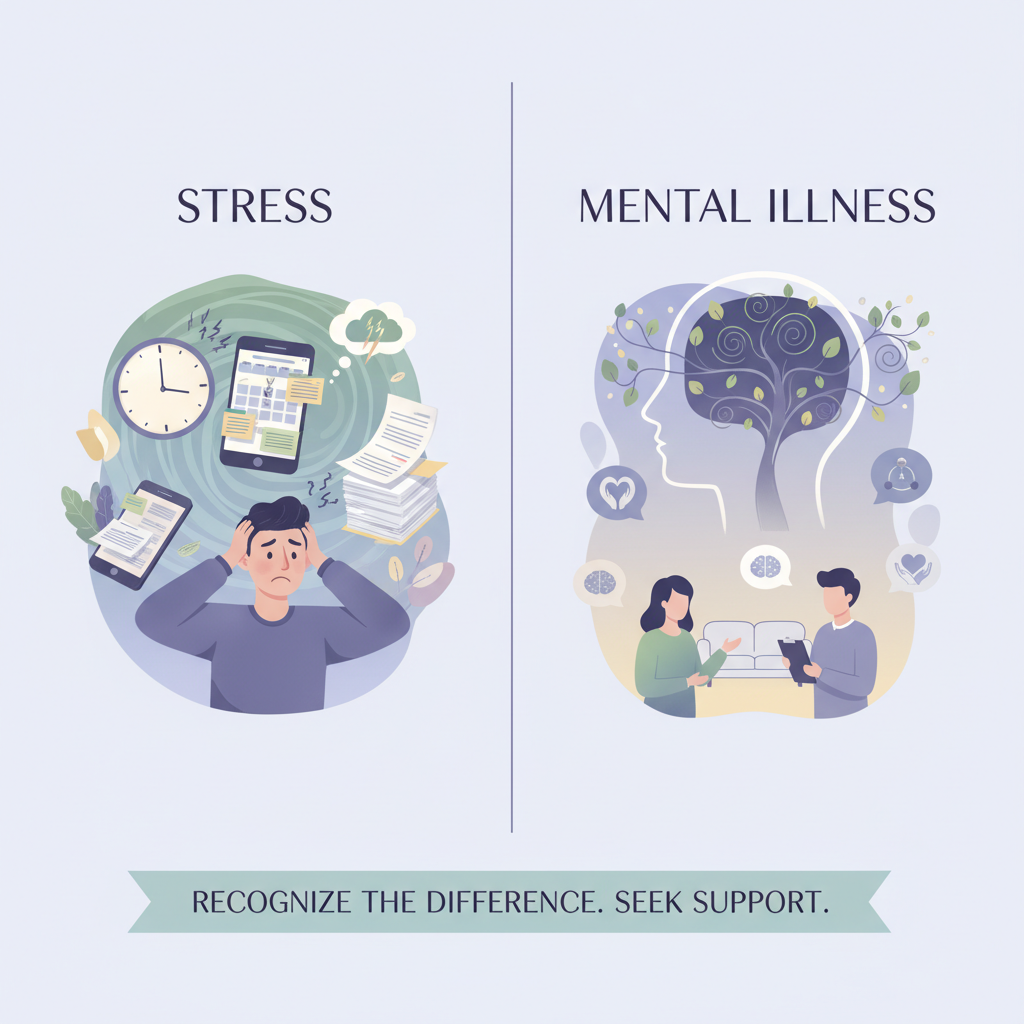

Finding lasting strategies for emotional control can transform your recovery journey. Emotional regulation therapy atlanta provides structured support to help you manage intense feelings, reduce conflict, and improve daily functioning. At the Cottages, our comprehensive skill-building and vocational rehab programs integrate evidence-based therapy with practical training. You’ll develop the coping tools you need to rebuild independence, structure, and purpose post-treatment.
Understand emotional regulation therapy
Emotional regulation therapy focuses on helping you become aware of your feelings, learn to accept them, and use adaptive strategies to respond rather than react. It combines elements from cognitive behavioral therapy, acceptance and commitment therapy, dialectical behavior therapy, and experiential techniques. By strengthening your emotional awareness and coping skills, you can navigate stressors at work, in relationships, and during independent living more effectively.
What is emotional regulation therapy
This therapy targets the processes by which you influence which emotions you have, when you have them, and how you experience and express them. You’ll work with a licensed therapist to identify triggers that lead to overwhelming feelings. Through exercises such as emotion mapping, you learn to label emotions accurately and understand their origins. Over time you develop new neural pathways that favor thoughtful responses over impulsive reactions.
Why emotional regulation matters for recovery
When emotional lows interfere with your daily routines—making it hard to manage frustration or sadness—you may turn to old coping strategies like isolation or substance use. Emotional regulation therapy helps you replace these patterns with healthier alternatives. Improved regulation is linked to reduced anxiety, lower relapse rates, and enhanced resilience, setting a solid foundation for vocational and independent living success.
Explore therapy modalities
Atlanta offers a variety of evidence-based approaches to emotional regulation therapy. Understanding these can help you choose the right program for your needs at the Cottages.
EmotionFocused Therapy
Core principles
EmotionFocused Therapy, developed in the 1980s by Dr. Leslie Greenberg, emphasizes emotional awareness as a route to healing. You learn to identify, process, and express feelings in a safe setting.
Local program
At Resilience Behavioral Health in Atlanta, their EFT program uses experiential techniques like emotion mapping and role-playing within a holistic model that includes mindfulness and wellness activities [1].
Dialectical Behavior Therapy
Core components
DBT teaches four skill groups: mindfulness, distress tolerance, emotion regulation, and interpersonal effectiveness. You practice techniques like labeling emotions, opposite action, and fact-checking to reduce impulsivity.
Local program
Atlas Behavioral Health in Peachtree Corners delivers customized DBT sessions, combining individual therapy and group skills training in a nonjudgmental environment. This structured approach builds stability and resilience [2].
Emotion Regulation Therapy
Mechanisms and phases
Emotion Regulation Therapy (ERT) integrates cognitive-behavioral, acceptance, dialectical, mindfulness-based, and experiential methods. Phase one (about eight sessions) focuses on attention regulation, decentering, and reappraisal. Phase two applies skills through behavioral activation and exposure to personally meaningful goals.
Evidence base
NIMH-funded trials show ERT reduces anxiety, worry, and depression symptoms with lasting gains up to nine months post-treatment [3].
Recognize therapy benefits
Emotional regulation therapy atlanta can support your recovery across multiple domains. Key benefits include:
- Enhanced emotional awareness and insight
- Improved coping strategies for stressors
- Stronger resilience against relapse
- Better interpersonal relationships
- Increased focus on vocational and life goals
As you refine your ability to manage emotions, you’ll likely notice fewer conflicts at work or home and a greater capacity to engage in skill-building activities at the Cottages.
Integrate vocational support
Pairing therapy with vocational rehab amplifies your progress. The Cottages offer integrated programs to rebuild your work readiness and daily structure.
Vocational skills training
Our vocational skills training teaches job search techniques, resume building, interview preparation, and workplace etiquette. You’ll practice skills in real-world settings, boosting confidence and employability. Learn more about vocational skills training atlanta.
Life skills group therapy
Group sessions cover budgeting, time management, cooking essentials, and household chores. Through role-plays and peer feedback, you refine independent living skills in a supportive community. Explore our life skills group therapy atlanta.
Daily goal preparation
Each morning you set SMART goals—Specific, Measurable, Achievable, Relevant, Time-bound—with your therapist. This practice fosters accountability and helps you track progress toward vocational and personal milestones. See details on daily goal preparation therapy atlanta.
Support independent living
Developing emotional regulation skills is only part of the journey. Structured support ensures you can apply these skills in daily life.
Case management and planning
Our case managers guide you through housing, employment, and benefit applications. They coordinate with external agencies to secure stable living arrangements. Find out about case management mental health atlanta.
Coping and crisis assistance
Even with solid skills, unexpected stressors can arise. Our coping crisis intervention program offers immediate support through brief therapy, safety planning, and skill refreshers. You can access this service 24/7 as needed. Learn more about coping crisis intervention program atlanta.
Choose the right program
Selecting a comprehensive day program is a critical step. Here’s how to evaluate your options at the Cottages:
Evaluate program features
- Therapeutic modalities offered (EFT, DBT, ERT)
- Integration with vocational and life skills training
- Frequency of group and individual sessions
- Access to medication management supports such as medication management outpatient atlanta and pharmacological management atlanta
Plan your transition
Discuss insurance coverage, transportation, and scheduling with our admissions team. We’ll help you prepare for a seamless start and support your discharge planning through our discharge planning support atlanta.
Practice daily strategies
Building emotional regulation capacity happens in and out of therapy. Incorporate these proven techniques into your routine:
Mindfulness techniques
Set aside 5 to 10 minutes daily for mindful breathing or guided meditation. This practice boosts awareness of physical sensations and helps you observe thoughts without judgment [4].
Behavioral activation
Engage in mood-elevating activities such as exercise, healthy meals, and social interactions. Scheduling pleasurable events can counteract withdrawal and reverse depression symptoms.
Emotion mapping
Keep a journal of triggers, emotional responses, and coping outcomes. Charting patterns helps you identify areas for skill refinement and celebrates small wins.
Conclusion
Emotional regulation therapy atlanta offers you the tools to manage feelings, reduce relapse risk, and pave the way to vocational success and independent living. At the Cottages, our integrated day programs combine therapy modalities with skill-building in real-world contexts. You’ll gain confidence, structure, and a clear path forward. Reach out today to explore how emotional regulation therapy can become a smart choice for your recovery journey.