
Understanding how mental illness develops over time
When you first start wondering if what you are feeling is more than stress, it can be confusing and unsettling. Learning how mental illness develops over time helps you recognize early warning signs, understand what is happening, and decide when it is time to seek professional support.
Mental illness usually does not appear overnight. Conditions such as depression, anxiety disorders, bipolar disorder, schizophrenia, eating disorders, and addiction typically unfold gradually as changes in thoughts, emotions, and behavior become more frequent and more disruptive to your life. Mental illness is generally diagnosed when ongoing symptoms cause significant distress and interfere with your ability to function at work, in relationships, or in daily responsibilities [1].
You may notice this progression in yourself or in someone you care about. Understanding the stages and risk factors can give you a clearer framework to decide if what you are seeing is a short-term reaction or a developing mental health condition.
How mental illness usually starts
Major mental illnesses rarely begin as a sudden, full crisis. Instead, they are often preceded by subtle changes that build over time. The American Psychiatric Association notes that conditions like schizophrenia and bipolar disorder are usually preceded by noticeable changes in thinking, mood, or behavior before the illness reaches a full-blown state [2].
You might experience or observe:
- Shifts in sleep, either sleeping far more or far less than usual
- Changes in appetite or weight, without a clear physical cause
- Increasing irritability, nervousness, or emotional sensitivity
- Difficulty concentrating or finishing tasks that used to be easy
- Pulling away from friends, family, or usual activities
On their own, these experiences can happen to anyone during stressful times. What matters is how persistent they are, how many changes show up together, and how much they begin to affect daily life. Recognizing these early shifts is at the heart of spotting the early signs of mental health problems in adults.
Why timing matters in mental illness
Research shows that many mental health conditions begin earlier in life than people expect. A large international meta-analysis found that about 34.6% of mental disorders begin before age 14, 48.4% before age 18, and 62.5% before age 25, with a peak age of onset around 14.5 and a median of 18 years [3]. Another summary from the American Psychiatric Association notes that 50% of mental illnesses begin by age 14 and 75% by age 24 [2].
At the same time, mental illness can develop at any age. By age 40, about half of people will have experienced some form of mental illness in their lifetime [4]. This means you might see patterns beginning in adolescence and early adulthood, or you might first notice symptoms decades later.
Understanding that most conditions build gradually over months or years helps you look for patterns instead of isolated bad days. It also highlights why early attention is so important. Untreated mental illness often worsens over time and can lead to serious emotional, behavioral, and physical complications if not addressed [1].
Risk factors and protective factors in your life
Mental illness usually develops through a combination of influences, not a single cause. Genetics, brain chemistry, personality traits, medical conditions, trauma history, ongoing stress, and your environment all interact in complex ways.
Risk factors that increase vulnerability
Researchers describe risk factors as characteristics or experiences that increase the likelihood of a mental health disorder and that come before its onset [5]. These can show up at different levels of your life:
- Individual factors, like genetic vulnerability, certain personality traits, or medical conditions
- Family factors, such as a history of mental illness, substance use, or high conflict at home
- Community or institutional factors, including exposure to violence, bullying, discrimination, or chronic stress
Some specific patterns include:
- Genetic predisposition, such as having a close relative with depression, bipolar disorder, or schizophrenia, which significantly raises your risk [4]
- Personality traits like high neuroticism and low extroversion or conscientiousness, which are strongly linked to the onset and course of mental disorders [4]
- Psychological patterns such as perfectionism or chronically low self-esteem, which can make you more vulnerable to anxiety, depression, and related conditions over time [4]
There are also vulnerability traits, sometimes genetic or biological markers, that are not disorders themselves but set the stage for one to emerge when combined with other risk factors [5].
Protective factors that support resilience
Protective factors are elements in your life that reduce the impact of risks and help you cope more effectively. These might include:
- Supportive, stable relationships
- Access to healthcare and mental health services
- Safe living and working environments
- Healthy coping skills, such as exercise, meaningful hobbies, and constructive problem solving
Risk and protective factors do not act alone. They interact with your genetic background and your environment. A large study of over 400,000 individuals found that gene‑environment interactions explained a meaningful portion of variation in conditions like ADHD, anxiety, sleep disorders, PTSD, and others, showing how mental illness develops over time through the interplay of biology and life experiences [6].
The stages of mental illness progression
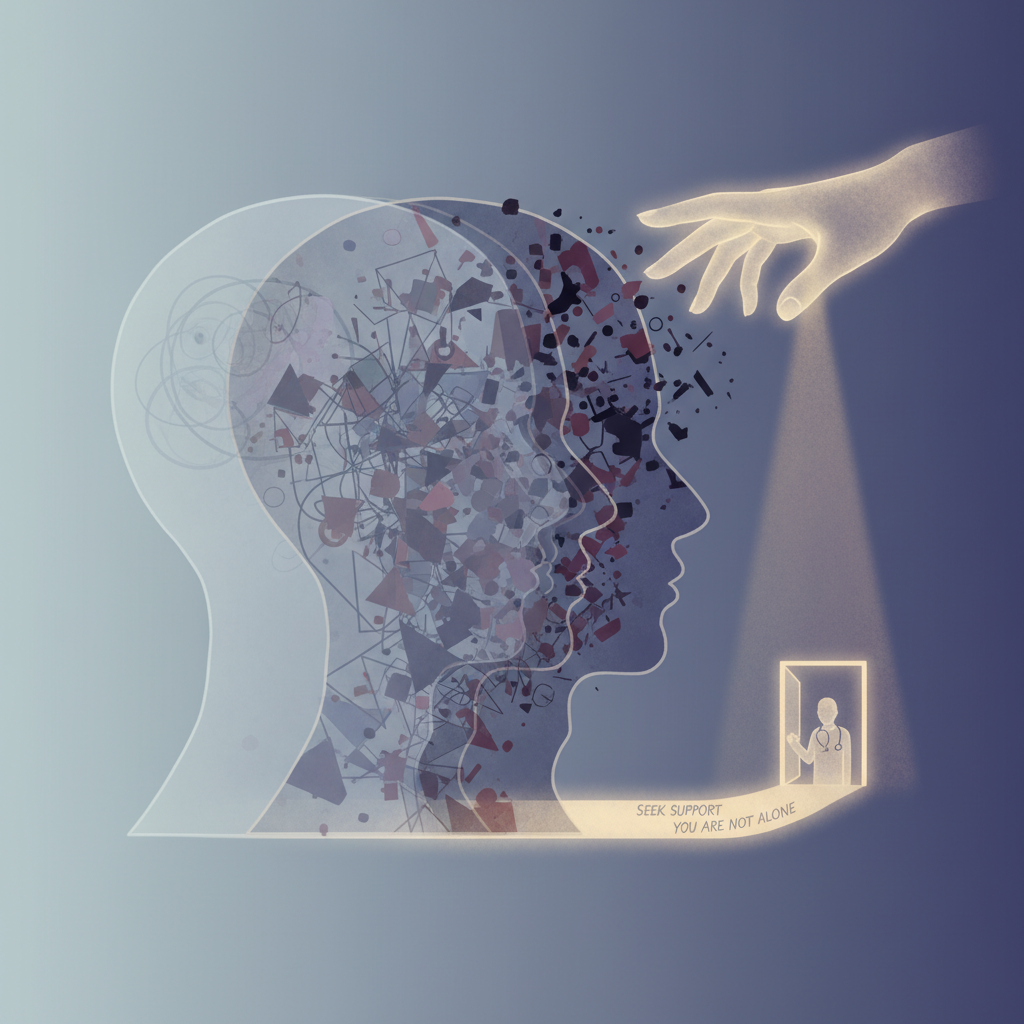
You can think of how mental illness develops over time as moving through stages, from very early warning signs to severe and sometimes life‑threatening symptoms. Not everyone passes through each stage in the same way, but this framework can help you understand what you are seeing.
Stage 1: Subtle warning signs and “something feels off”
In the earliest stage, you may feel that something is not right, even if you cannot put it into words. You might still be functioning at work or school, but you notice mild, recurring issues such as:
- More frequent mood swings or emotional sensitivity
- A shorter temper or lower frustration tolerance
- Difficulty sleeping or feeling rested
- Trouble focusing or remembering things
- Slight withdrawal from social activities
One person described this stage as feeling like a cold creeping up, where you sense symptoms forming before they become obvious [7]. At this point, symptoms may be mild, but they can worsen quickly if ignored.
This is often when you start asking yourself about the difference between stress and mental illness. If symptoms are brief and improve when stressors ease, you may be dealing with stress. If they linger and slowly expand into more areas of your life, it may be more than that.
Stage 2: Worsening and more frequent symptoms
In stage 2, symptoms become more noticeable, more frequent, and more disruptive. You might still be getting things done, but it often feels like you are pushing through quicksand. Common changes include:
- More days when you feel low, anxious, or on edge
- Increasing difficulty meeting work or family responsibilities
- Conflicts or misunderstandings in relationships
- Stronger urges to avoid people or situations
- Using unhealthy coping strategies such as substance use, overeating, or excessive gaming or gambling
This stage is sometimes described as a “snowball effect,” when new symptoms appear and existing ones intensify, making your condition more obvious and more debilitating [7]. You may start to see clear behavior changes linked to mental illness, such as withdrawing from loved ones or losing interest in things that once mattered to you.
If you notice that your symptoms are regularly interfering with your daily functioning, it is important to look at mental health symptoms that should not be ignored and consider reaching out for support.
Stage 3: Serious disruption to daily life
In the third stage, symptoms are severe enough that living your usual life feels increasingly unsustainable. This often looks like:
- Struggling to maintain work, school, or caregiving responsibilities
- Significant relationship strain or loss of important connections
- Frequent absences, missed deadlines, or dropping out of activities
- Strong, persistent feelings of hopelessness, emptiness, or extreme anxiety
- Noticeable changes in thinking, perception, or behavior
At this point, the condition is likely diagnosable, and intervention becomes urgent to prevent long‑term damage. Many people in this stage also develop co‑occurring issues such as substance use, disordered eating, or self‑harm as attempts to cope, which can complicate both diagnosis and treatment [8].
This is often when it becomes clear that professional treatment is needed. If you are unsure how severe things have become, resources like functional vs severe mental health symptoms and how to recognize serious mental illness can help you assess your situation.
Stage 4: Crisis and life‑threatening symptoms
The fourth stage involves severe, often life‑threatening symptoms. These might include:
- Thoughts of self‑harm or suicide, or actual attempts
- Aggressive or dangerous behavior
- Inability to care for basic needs, such as eating, hygiene, or medical care
- Extreme confusion, disconnection from reality, or hallucinations
- Uncontrollable substance use despite serious consequences
At this stage, immediate and intensive help is essential to protect your life and safety [8]. This is often when hospitalization or structured residential care is needed. If you or someone you love is here, it is not a sign of failure. It is a sign that the illness has progressed to a point that requires more supportive surroundings, and that you deserve that level of care.
How different disorders develop over time
Although the general progression from mild to severe symptoms is similar, specific conditions tend to have different typical courses and ages of onset.
Mood disorders and anxiety disorders
Depression, anxiety disorders, and related conditions often develop gradually. You might notice:
- Increasing worry, dread, or panic that feels out of proportion to your situation
- Ongoing low mood, loss of interest, or lack of motivation that persists for weeks or months
- Physical symptoms such as headaches, stomach issues, or fatigue with no clear medical cause
Many mood and anxiety disorders begin in adolescence or young adulthood, but they can emerge later in life as well [1]. Median onset ages for mood, anxiety, and post‑traumatic stress disorders are often in the 30s, but there is wide variation across individuals [3].
If you are wondering how to know if anxiety is severe or when depression becomes serious, focus on how long symptoms have lasted, how intense they feel, and how much they are impacting your daily functioning.
Bipolar disorder and personality disorders
Conditions like bipolar disorder and personality disorders usually show a long lead‑up of patterns before a clear diagnosis is made. For example, bipolar disorder is often preceded by years of mood instability, energy swings, or impulsivity that are dismissed as “just how you are” before more obvious manic or depressive episodes occur [2].
You might notice:
- Periods of high energy, little sleep, and racing thoughts, followed by deep crashes
- Repeated intense, unstable relationships
- Chronic feelings of emptiness, abandonment fears, or emotional reactivity
Learning the early symptoms of bipolar disorder in adults and the warning signs of personality disorders can help you understand if long‑standing patterns are part of a diagnosable condition rather than simply character flaws.
Psychotic disorders and cognitive disorders
Schizophrenia spectrum disorders and some cognitive disorders such as dementia often start with subtle changes in thinking, perception, or behavior. You might notice:
- Unusual beliefs that persist even when questioned
- Social withdrawal and difficulty reading social cues
- Cognitive changes, confusion, or memory issues that slowly increase
Schizophrenia, substance use disorders, and some personality disorders often have median onset ages in the mid‑20s, while dementia usually appears later, though early risk factors such as head trauma and lower educational levels can influence timing [9].
If you are seeing these issues progress, it may be time to look closely at mental health red flags in adults and consider specialized evaluation.
Differentiating stress from a developing mental illness
Everyone experiences stress, grief, or difficult seasons. Not every hard period is a mental illness. The challenge is telling when a normal reaction has become something more serious.
You are more likely dealing with stress when:
- Symptoms closely follow a clear stressful event
- You still feel like yourself most days
- Symptoms ease as the stressor is resolved
- You can still meet your responsibilities, even if it feels harder than usual
You may be seeing a developing mental illness when:
- Symptoms persist for weeks or months with no clear improvement
- Your mood or anxiety feels out of proportion or out of sync with what is happening around you
- Your functioning at work, school, or home is clearly declining
- Loved ones express concern that you seem “different” or “not yourself”
If you are unsure, reviewing the signs you need mental health treatment and early signs of emotional instability can give you specific points to compare with your experience.
A useful guideline: if you are spending significant time wondering if you or someone you love “might be mentally ill,” that is usually a signal to at least have a professional assessment, even if it results in simple reassurance and early support.
When to seek professional support
You do not need to wait for a crisis to ask for help. In fact, the American Psychiatric Association highlights that noticing early warning signs and seeking intervention early can reduce the impact of mental illness, lessen its severity, and even delay or prevent the onset of major disorders [2]. Over a decade of research shows that early intervention improves long‑term outcomes and can sometimes prevent hospitalization.
Consider reaching out to a mental health professional if:
- Symptoms have lasted more than a few weeks and are not improving
- You find it hard to function in daily roles, even if you are still “getting by”
- You notice clear signs of worsening mental health condition such as escalating mood swings, anxiety, or withdrawal
- You suspect more than one issue may be present, and you want help how to identify co occurring mental health issues
- Friends, family, or coworkers have expressed ongoing concern about your behavior or mood
If you are trying to decide when to seek help for mental health issues for a loved one, focus less on labels and more on impact. Ask:
- Is this person struggling to meet normal responsibilities?
- Has their personality, mood, or behavior changed noticeably over time?
- Do I see increasing risk, such as self‑harm, substance use, or aggression?
If the answer is yes, it may be time to explore how to tell if someone needs mental health treatment and encourage or support them in making an appointment.
Considering higher levels of care
Sometimes, outpatient therapy and medication are not enough to stabilize symptoms. You might reach this point if:
- You have tried standard outpatient care and your condition continues to deteriorate
- You cannot maintain work, school, or home responsibilities safely
- Your environment is too stressful or triggering to allow for recovery
- There are severe co‑occurring issues, such as addiction or an eating disorder
In these situations, you may need to explore when therapy is not enough for mental health and consider structured support such as intensive outpatient, day programs, or inpatient and residential treatment. Learning when to consider residential mental health care can help you decide if this level of support matches your needs.
Residential or inpatient care is not a last resort. It is a focused, supportive setting designed specifically for the later stages of illness progression, with the goal of stabilizing you so you can safely return to your life with better tools and a clearer path.
Taking your next step
Understanding how mental illness develops over time helps you see patterns instead of isolated moments. You can watch for early shifts, recognize when symptoms are worsening, and act before a crisis hits.
If you see yourself anywhere in these stages, you do not have to solve it alone. Start by:
- Noticing and tracking your symptoms over several weeks
- Talking honestly with someone you trust about what you have observed
- Scheduling an assessment with a mental health professional
- Using resources such as mental health red flags in adults and signs you need mental health treatment to prepare for that conversation
Mental health conditions are common, treatable, and often manageable with the right supports. The earlier you respond to changes in your mood, thinking, or behavior, the more options you have for care and the better your chance of protecting your quality of life over the long term.


