
Understand the value of cooking in recovery
When you imagine residential mental health treatment, you may picture various therapies, group sessions, and medication management. What may not come to mind immediately is the role of hands-on activities like cooking. Yet cooking classes residential rehab programs often include can provide unexpectedly powerful benefits for your overall well-being. By weaving nutrition education, practical life skills, and a sense of community into your treatment plan, cooking lessons can uplift your mental state, boost your self-esteem, and help you navigate the complexities of recovery.
At Cottages on Mountain Creek, you or your loved one will find cooking classes that are part of a comprehensive approach to mental health care. These sessions are not just about preparing meals, they are about embracing a healthy lifestyle that addresses nutritional gaps, fosters emotional well-being, and promotes a deep sense of connection. Through practical lessons in the kitchen, you can learn to nurture yourself, both physically and emotionally, in a supportive, empathetic environment that understands exactly what you are going through.
Explore how cooking promotes mental health
Cooking can be a conduit for growth and healing in ways that might surprise you. Whether you are facing conditions like anxiety, depression, or other mental health challenges, the simple act of preparing a meal can become a therapeutic experience. Researchers have found that cooking interventions often result in increased self-esteem and reduced stress (as noted in NCBI). While it may seem basic, focusing on chopping vegetables or following a recipe can help you stay present in the moment. This mindfulness can help calm racing thoughts and provide a buffer from the stressors that contribute to mental health struggles.
Additionally, cooking for yourself ensures intentional care for your body. Many people who suffer from mental health issues also struggle with poor dietary habits and nutrition deficiencies. By learning how to plan and prepare balanced meals, you nurture both mind and body. In a residential setting, where you have the opportunity to dive deeply into multiple forms of therapy and wellness strategies, cooking classes can become a cornerstone of confidently rebuilding your day-to-day routines.
Tactile and sensory engagement
When you engage in the tactile process of mixing, kneading, measuring, and dicing, you give your hands, eyes, and mind a task that connects to your senses. This sensory focus can momentarily relieve you from rumination or anxious thought patterns. Bringing awareness to smells, textures, and tastes can reduce stress and encourage positive emotional expression.
Developing healthy coping strategies
In the face of mental health challenges, it is easy to revert to harmful coping methods, including skipping meals or turning to convenience foods. By cultivating cooking skills, you introduce a positive coping strategy capable of delivering nourishing results. Each meal becomes an act of self-care—something you do to support your body and mind as you move toward a healthier future.
See why cooking aligns with residential treatment
In many residential treatment environments, the emphasis lies on therapy bundles such as dialectical behavior therapy dbt program, group therapy mental health, and psychotherapy residential. While these treatments are invaluable, cooking sessions add a practical, hands-on dimension to the healing process. Everyday life skills like meal preparation are essential. In fact, these classes are part of building the resilience you need to navigate the broader world once you leave residential treatment.
At Cottages on Mountain Creek, cooking is more than just a supplemental activity. You can incorporate new recipes into your routine, explore nutritional needs that match your treatment goals, and practice meal planning to avoid feeling overwhelmed later. This approach sets you up for success, ensuring that the strategies you learn in a safe, supportive environment are directly transferable to your future daily life.
Co-occurring benefits
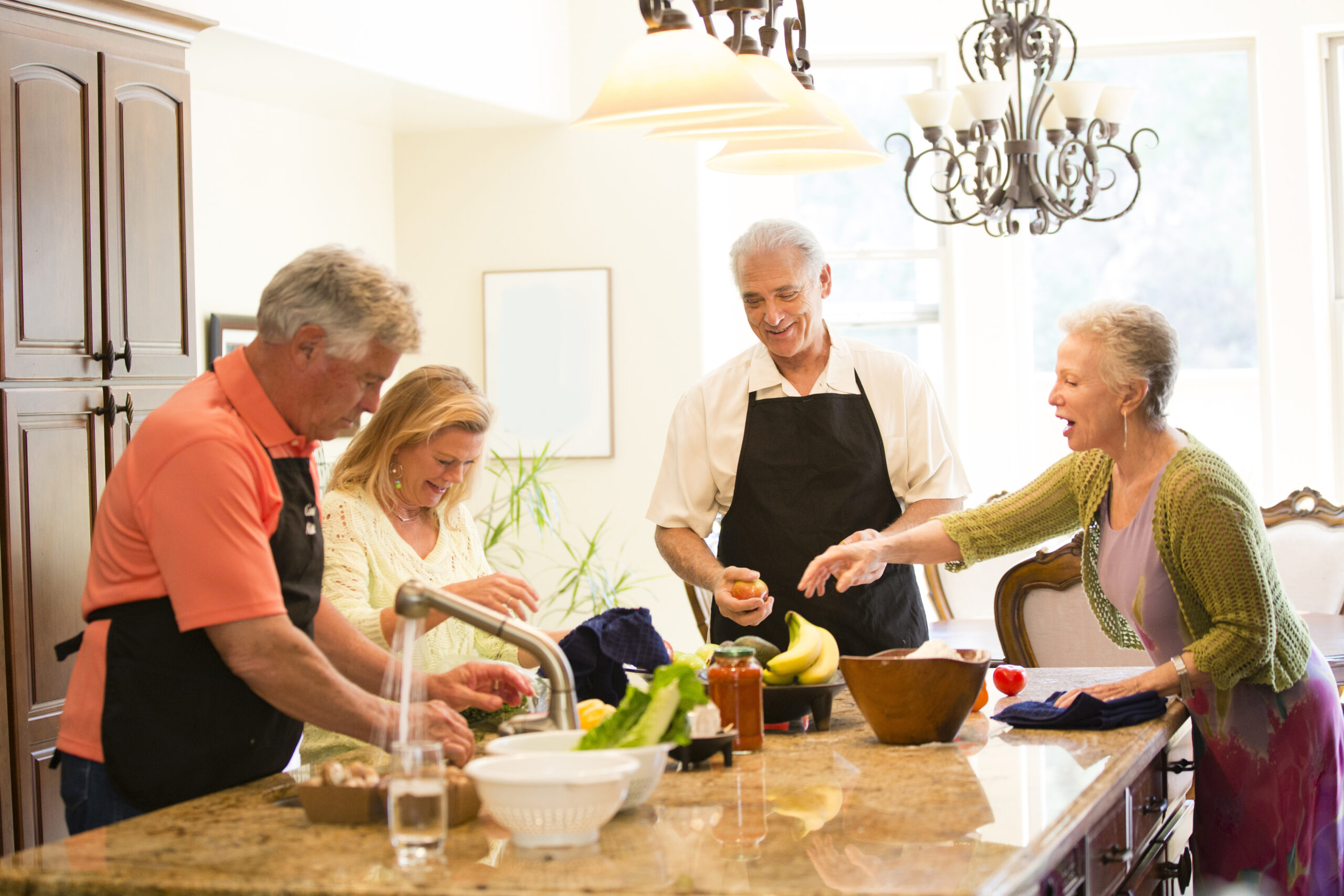
Research also indicates that cooking classes can enhance socialization, confidence, and autonomy (as seen in PubMed Central). When you take part in group cooking sessions, you are actively engaging with peers who share similar experiences. This camaraderie fosters mutual understanding, trust, and supportive friendships. Such personal connections are vital when you are working to overcome feelings of isolation or hopelessness that can accompany mental health concerns.
Addressing nutritional deficiencies
For many individuals undergoing treatment, malnutrition or improper nutrition can exacerbate mental health symptoms. According to Carrara Treatment, a diet rich in nutrients helps repair tissues and support systems such as the nervous and gastrointestinal systems. Even if your struggles are not addiction-related, balanced nutrition is crucial for improving mood, boosting energy, and enhancing mental clarity.
Discover the benefits of cooking classes at Cottages on Mountain Creek
Choosing a residential mental health center can feel overwhelming, so it helps to understand the wide-ranging benefits of each program component. Cooking classes at Cottages on Mountain Creek are uniquely designed to be empathetic, educational, and empowering. Below are some ways you can benefit from these sessions during your stay:
- Holistic self-care: Cooking classes align closely with our holistic health wellness program. By emphasizing the connection between the mind and body, these sessions become an important pillar of your total well-being.
- Enhanced nutritional knowledge: Along with hands-on meal preparation, you will explore nutritional guidelines and dietary strategies that can stabilize your mood and regulate your energy levels. This education complements other therapeutic approaches, making it easier to manage symptoms of depression, anxiety, or other mental health conditions.
- Stress reduction and mindfulness: By focusing on precise motions and creative processes, cooking allows you to practice mindfulness techniques that simultaneously reduce stress and ground you in the present moment.
- Lasting skill development: Cooking is a skill you will take with you when you transition out of residential care. Armed with recipes, techniques, and confidence, you can practice healthy eating habits long after your time at Cottages on Mountain Creek.
- Social connection: These kitchen experiences encourage collaboration and communication with peers, instructors, and staff, helping you develop a supportive network and easing any sense of isolation.
Embrace the unique atmosphere of our cooking classes
At Cottages on Mountain Creek, cooking classes are not just a quick yet superficial activity. They are carefully structured to fit into a broader effort to champion your mental well-being.
Small group setting
Our classes take place in a comfortable, small group environment. This fosters intimacy and allows you to connect more personally with both instructors and your peers. If you find large gatherings overwhelming, you can still enjoy these sessions without feeling lost in the crowd.
Personalized instruction
Our team understands that every individual comes with different levels of cooking experience. Some might be preparing a simple meal for the first time, while others have cultivated a repertoire of advanced culinary techniques. That is why the instruction is adaptive, ensuring that you tackle new challenges at a comfortable pace.
Integration with other therapies
We recognize that true healing involves multiple dimensions of care. For instance, you could balance cooking sessions with expressive therapy residential or incorporate nutritional concepts into daily life skills training. By weaving cooking into other therapy domains, you create a network of support that helps you cope with personal challenges from different angles.
Encouragement for self-expression
Cooking at Cottages on Mountain Creek places a spotlight on creativity. Perhaps you express yourself through bold seasoning, or you find solace in the repetitive precision of baking. This freedom to experiment can act as a therapeutic channel. Research from Boston Medical Center suggests that cooking programs also address body image issues, enhance confidence, and add a sense of belonging. Through exploration of tastes, textures, and presentations, you might uncover new dimensions of self-expression and empowerment.
Gain life skills that extend beyond treatment
Your journey at Cottages on Mountain Creek involves far more than symptom management. We believe real transformation occurs when you cultivate lifelong coping mechanisms and valuable day-to-day abilities, including culinary skills. Good nutrition stands at the intersection of physical, emotional, and relational health. Mastering these kitchen fundamentals sets you up for stable progress after leaving residential care.
Meal planning and budgeting
One major roadblock that can arise in everyday life is meal planning and grocery budgeting. To alleviate these concerns, your cooking classes will incorporate strategies for cost-effective shopping and menu planning. This is especially vital if you worry about affording nutrient-dense foods or face constraints with cooking space and time. Learning how to stretch your budget without compromising on health benefits can help you maintain momentum long after treatment ends.
Time management and organization
Mental health issues can interfere with motivation and executive functioning, making tasks like organizing your kitchen or scheduling mealtimes a challenge. By embracing cooking as part of your recovery, you practice sequencing tasks—gathering ingredients, measuring them properly, setting timers—which can improve your ability to manage other aspects of daily life. Over time, you gain more confidence in your organizational abilities and overcome hurdles that once seemed intimidating.
Independent living skills
Transitioning out of residential rehab and re-entering a less structured environment can be difficult. This is where daily living skills, like cooking, become powerful anchors. You will be better prepared to plan meals, ensure adequate nourishment, and hold onto healthy habits. Whether you live alone or share space with family or friends, being able to cook nutritionally balanced food can boost your sense of independence and self-efficacy.
Learn the science behind cooking and its benefits
When considering cooking as part of a residential program, you might wonder about the actual science. How exactly does cooking support mental health? There are multiple factors at play:
- Nutritional rehabilitation: Many people facing mental health issues also experience poor diet quality. According to research in NCBI, eating away from home too often tends to decrease diet quality and can contribute to weight gain or nutrient deficiencies. By reclaiming your diet and preparing meals yourself, you are improving the way your body obtains essential nutrients such as vitamins, minerals, proteins, and complex carbohydrates. This proper nutrition can lessen symptoms like fatigue, irritability, and mood swings.
- Psychosocial engagement: Cooking in a group fosters connection, improves social skills, and can alleviate loneliness. Interacting in the kitchen strengthens your communication and teamwork abilities, which can bolster interpersonal effectiveness outside of treatment.
- Sense of accomplishment: Completing a dish—especially if you have never cooked before—can elevate your self-esteem. Each new recipe mastered represents a success and becomes a building block for further achievements.
- Mindful living: From measuring ingredients carefully to presenting a finished meal, the process demands focus. This can serve as a break from the worries and anxieties that often accompany mental health conditions.
- Stress and anxiety relief: Stress tends to skyrocket when you feel a lack of control in your life. Cooking can restore a sense of order and predictability. In fact, one study in NCBI found that patients who participated in cooking sessions reported reduced anxiety and increased calm.
How cooking classes complement other therapies
At Cottages on Mountain Creek, you have access to a wide range of therapies that address the different layers of mental health. Cooking comfortably blends with these treatments, reinforcing the lessons you learn in more traditional settings.
- Mindful cooking and meditation: If you are utilizing yoga and meditation residential services, you will find similarities in the mindful approaches used in the kitchen. Both require you to anchor your attention and engage your senses fully.
- Nutrition knowledge and fitness: In tandem with the fitness and nutrition support, cooking classes help balance physical activity and dietary awareness. Adopting a well-rounded fitness plan becomes more sustainable when you can confidently cook meals that fuel regular exercise.
- Daily reflection and life goals: If you are working on emotional regulation through daily goal preparation therapy, cooking can serve as a microcosm for planning and follow-through. You set a goal (cooking a certain dish or trying a new recipe) and then evaluate the process and outcome.
What sets Cottages on Mountain Creek apart
You have options when looking for a residential rehab program, but not all facilities place the same emphasis on activities like cooking. At Cottages on Mountain Creek, we approach mental health treatment with empathy, a keen understanding of each person’s background, and a drive to use evidence-based methods that truly work. Our cooking classes stand on a foundation of research and clinical expertise, ensuring that every aspect, from menu planning to meal tasting, is conducive to learning, healing, and growth.
Empathy at the core
We know that mental health struggles can feel overwhelming, especially when you are juggling the weight of your needs and the hopes of your loved ones. You deserve compassionate care that meets you where you are. Our cooking team and clinical staff understand the hurdles you might face—lack of motivation, shame, anxiety about trying new tasks—and collaborate to craft a comfortable learning environment.
Comprehensive care model
Cooking classes here are not stand-alone activities. They are integrated into a robust curriculum that might include therapies like individual therapy mental health, group sessions, medication management, and specialized approaches like radically open dbt residential. This synergy ensures that the progress you make in cooking classes resonates across your entire care plan.
Personalized approach
Our staff take time to discuss any dietary restrictions, cultural preferences, and personal goals you might have. There is often an option to explore healthy substitutions or incorporate safe meal plans that align with your other treatment objectives. By the time you complete the course, you can be equipped with recipes and nutritional insights that hold personal significance.
Practical steps for engaging with cooking classes
When you join our residential program, you likely have questions about how cooking classes fit into your daily schedule and overall recovery. While your exact experience may vary depending on your treatment plan, here is a general overview of what to expect:
- Initial consultation: Early in your stay, you will have a chance to discuss any food sensitivities or personal preferences. This helps tailor cooking lessons to your needs.
- Group introductions: If you choose to take part in group cooking sessions, you will meet your peers and instructors in a supportive, welcoming kitchen.
- Nutritional education: You will receive instruction on topics such as balancing macronutrients, reading food labels, and creating meal plans. This is covered in our nutrition classes residential program.
- Hands-on cooking: The heart of the class involves direct practice—measuring, chopping, seasoning, cooking, and plating. If you are new to cooking, the introductory lessons will cover kitchen safety and basic knife skills.
- Tasting and discussion: Each lesson often ends with sampling the dishes. During this time, you can share thoughts on how each recipe might be adapted at home or how it made you feel.
- Continuous feedback: Instructors regularly invite feedback so they can address any discomfort, confusion, or hesitation. Classes evolve to better serve participants.
- Integration with other therapies: You will notice themes from the classes—such as careful planning and teamwork—echoed in other aspects of your residential program.
Real evidence of cooking’s impact
You might wonder if the promise of cooking classes is overhyped. In reality, multiple research studies confirm the beneficial impact of culinary interventions on mental health. For instance:
- A 10-week cooking program in Australia increased self-esteem for participants from lower socioeconomic communities (as reported in NCBI).
- Programs like the Cooking for Recovery initiative at Boston Medical Center allow participants to reconnect with their bodies and express creativity in ways that standard therapy sessions might not fully capture.
- According to PMC, class formats that teach older adults how to cook and plan meals result in improvements in dietary intake and overall quality of life.
These findings align with the experiences of many individuals who have chosen a residential program that prioritizes culinary engagement. The physical act of mastering cooking fundamentals often accompanies an uplifting sense of growth that resonates deeply in your recovery journey.
Frequently asked questions
1. Are cooking classes suitable for everyone?
Yes. Whether you are new to cooking or already experienced, cooking classes can be adapted to meet your comfort level. The goal is not to become a gourmet chef overnight but to build skills at a pace that aligns with your mental health needs.
2. Can cooking classes help with depression or anxiety?
They can. Preparing meals taps into mindfulness, self-expression, and social interaction, which can help ease symptoms of depression and anxiety. You will likely develop greater self-confidence and find relief in the methodical tasks and creativity that cooking fosters.
3. What if I have specific food allergies or dietary restrictions?
Our program respects and accommodates many types of dietary needs, from gluten-free to vegan options. Instructors and nutritionists will collaborate on meal plans that suit your preferences and requirements, ensuring you feel safe and included.
4. Will cooking classes disrupt my regular therapy schedule?
No. Cooking sessions are integrated into your overall treatment structure to complement, rather than compete with, other therapies. You will be able to maintain your appointments for individual therapy mental health, group meetings, and any other sessions without conflict.
5. How do I continue cooking after leaving residential care?
Our instructors often provide take-home recipes, budget tips, and meal-planning guides so you can keep practicing. You can lean on these resources after you transition out of Cottages on Mountain Creek, ensuring you have a practical framework for maintaining good nutrition and self-care.
Embrace your path to a healthier future
Residential treatment can be a pivotal time in your journey to mental health and emotional stability. Often, you will encounter a range of opportunities to rebuild your daily routines and learn vital life skills, including those centered around food and nutrition. At Cottages on Mountain Creek, cooking classes serve as a powerful support, blending scientific evidence and compassionate guidance to help you discover new levels of confidence, calm, and connection.
When you step into the kitchen here, you are not just cooking a meal. You are taking a tangible step toward reclaiming your well-being. You are learning to nourish your body in a way that supports your mental health. You are finding a safe space to explore new interests, deepen connections, and redefine what self-care means for you.
If you or a loved one is ready to embrace cooking—and a host of other integrative approaches—as part of a comprehensive mental health treatment plan, consider Cottages on Mountain Creek. With a dedication to individualized care, empathy, and a wide array of therapies, we are here to support you through every step of recovery. By advocating new skills in the kitchen today, we equip you with tools to maintain a brighter, healthier tomorrow.


